
The TDEE Blog
Read when the numbers stop making sense.
Most people know their calories. Few understand why they're not moving. These articles close that gap by covering metabolism, nutrition, and training without the noise.
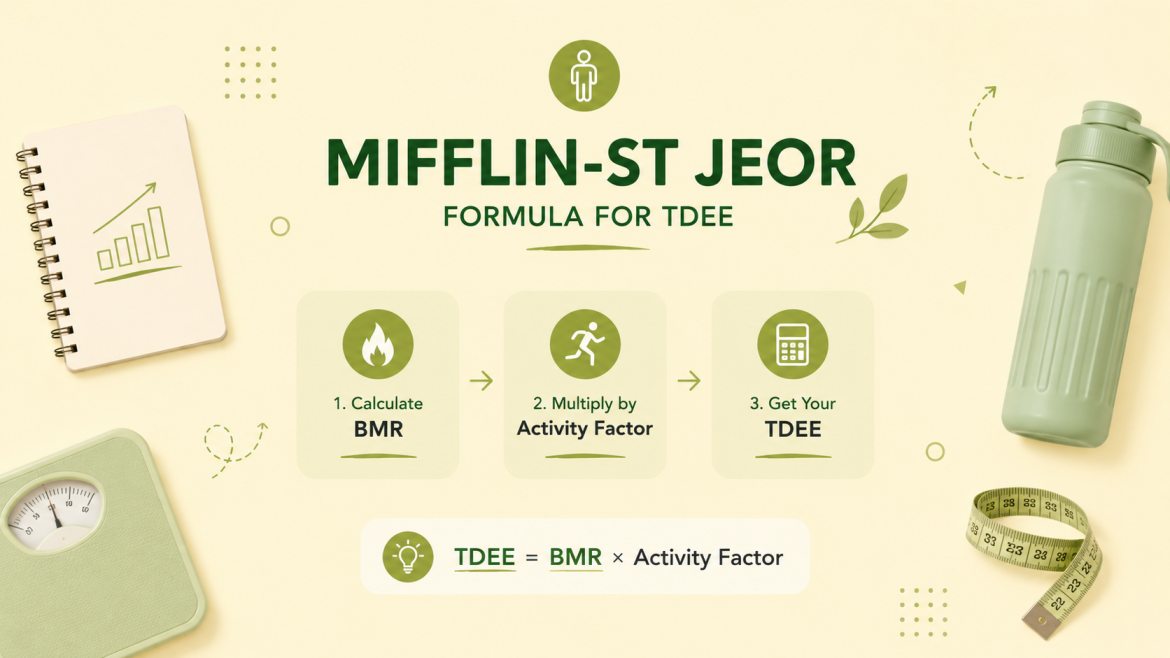
Mifflin-St Jeor Equation | Formula, Worked Examples, and TDEE Application
The Mifflin-St Jeor equation calculates BMR using weight, height, age, and sex. Learn the formula, step-by-step worked examples, TDEE outputs by activity level, and when to use a different equation.
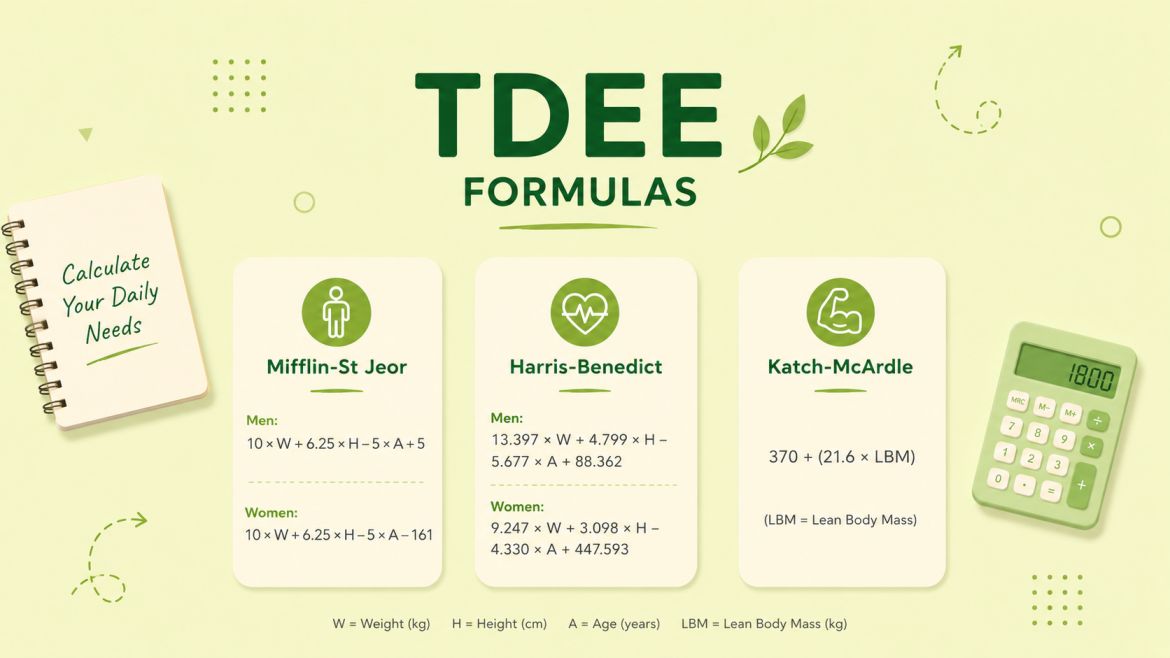
TDEE Formulas | Which Equation to Use and How Each One Works?
Track your daily calorie needs with the TDEE formulas (BMR multiplied by activity factor). Learn how they work, what factors affect them, and how to use them for weight loss or muscle gain.

What Is the Thermic Effect of Food (TEF) and How It Affects TDEE?
Learn how the Thermic Effect of Food (TEF) influences your Total Daily Energy Expenditure (TDEE) and why the foods you eat matter beyond their calorie count. This guide explains how protein, carbohydrates, fat, and meal composition affect TEF, its role in metabolism and weight management, and practical strategies to optimize calorie burn through smarter nutrition choices.

What Is Exercise Activity Thermogenesis (EAT) and How It Affects TDEE?
EAT is the calories burned during planned exercise, accounting for 5 to 10% of TDEE. Learn how resistance training, cardio, HIIT, and EPOC each affect your total daily energy expenditure.
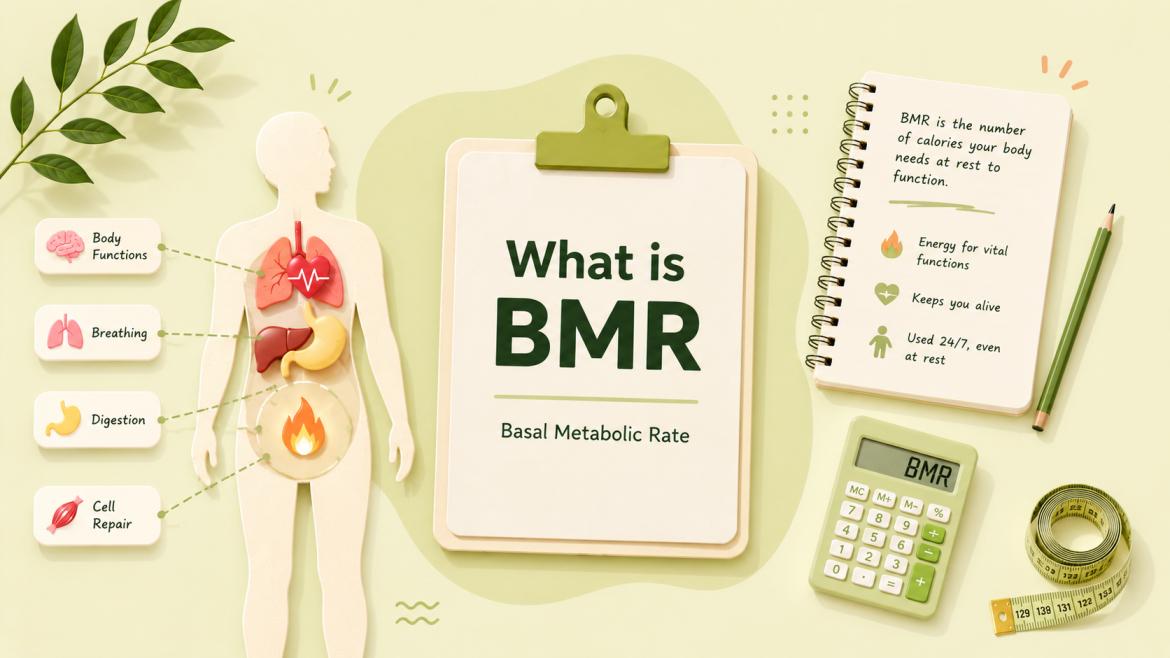
What Is BMR and How It Affects TDEE? A Complete Guide
BMR is the largest component of TDEE, accounting for 60 to 70% of total daily calorie burn. Learn how BMR is calculated, what changes it, and how every BMR shift directly affects your TDEE.

How to Build Muscle with TDEE? Caloric Surplus and Progressive Overload
Learn how to calculate your TDEE for muscle building, set the right caloric surplus, hit protein targets for muscle protein synthesis, and avoid the mistakes that stall lean mass gain.

How to Maintain Weight with TDEE? A Complete Guide to Calorie Balance
Learn how to calculate your TDEE maintenance calories, validate your estimate, manage NEAT shifts, and prevent weight regain after fat loss using accurate calorie balance.
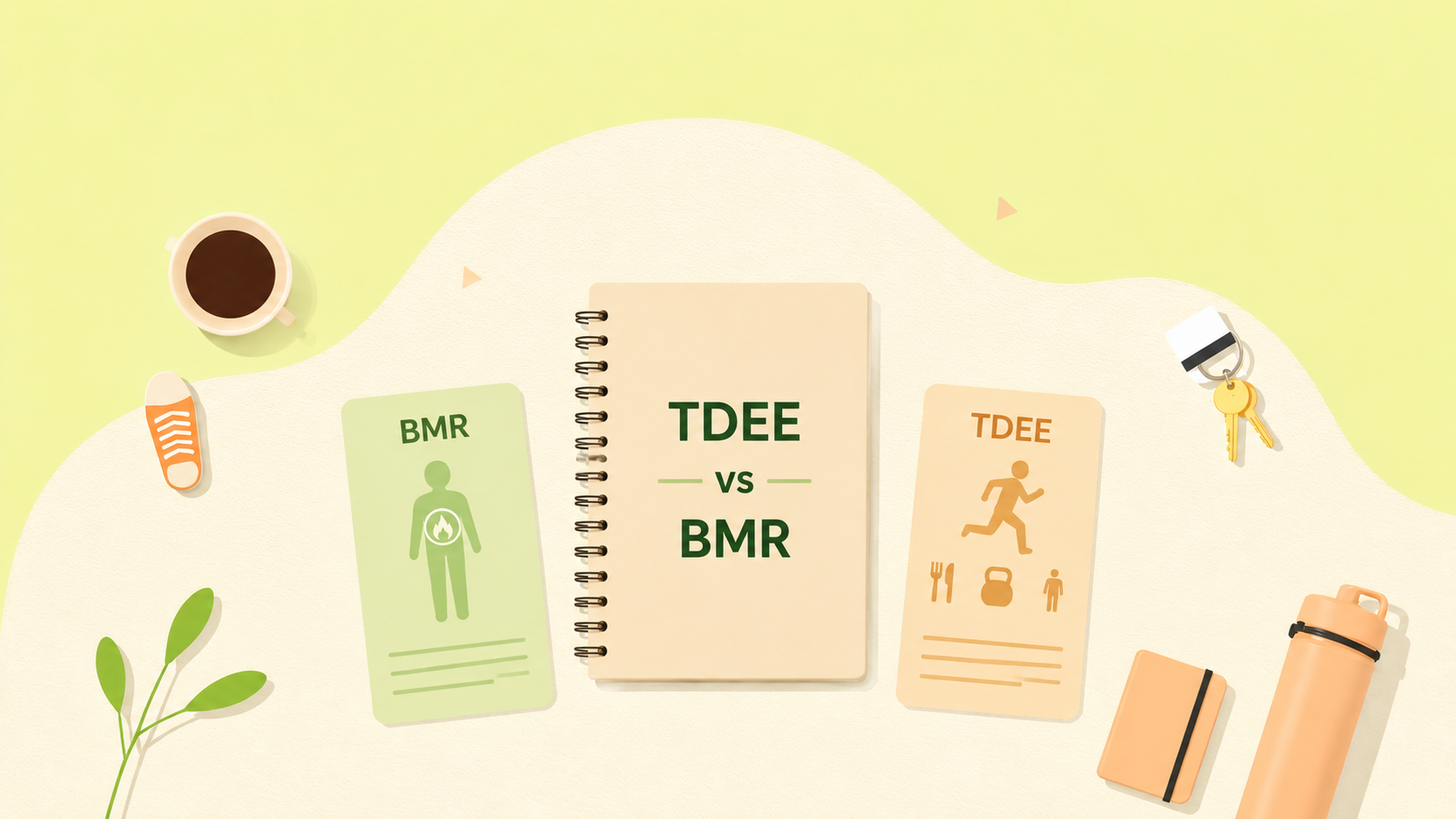
TDEE vs. BMR | Differences, Definitions, and How to Use Each
Confused about the difference between TDEE (Total Daily Energy Expenditure) and BMR (Basal Metabolic Rate)? This guide explains what each metric measures, how they’re calculated, and why using TDEE, not BMR, is essential for setting accurate calorie targets.

How to Lose Weight with TDEE? A Complete Guide to Caloric Deficit and Fat Loss
Learn how to lose weight using your TDEE and a calorie deficit. Covers fat loss steps, macros, timeline, plateau fixes, and every major weight loss approach in one guide.

What Is NEAT and How It Affects TDEE?
Discover how Non-Exercise Activity Thermogenesis (NEAT) impacts your Total Daily Energy Expenditure (TDEE) and why everyday movement plays a major role in calorie burn. This guide explains what counts as NEAT, how it differs from exercise, the factors that influence it, and practical ways to increase daily activity to support weight loss, improve metabolic health, and boost long-term energy expenditure.

What Is TDEE? Total Daily Energy Expenditure Explained
TDEE is the total calories your body burns daily. Learn the four components, the formula, and how to use it for nutrition planning.