
The TDEE Blog
Read when the numbers stop making sense.
Most people know their calories. Few understand why they're not moving. These articles close that gap by covering metabolism, nutrition, and training without the noise.

TDEE During Pregnancy: How Many Extra Calories Women Need by Trimester?
Find out how pregnancy changes your TDEE by trimester. Covers IOM calorie additions, BMI-based weight gain targets, macronutrient needs, and how to calculate your daily calorie target for each stage of pregnancy.

How Women Menstrual Cycle Affects Their TDEE? Calorie Fluctuation Across Phases
Learn how each phase of the menstrual cycle changes a woman's TDEE. Covers resting metabolic rate shifts, progesterone thermogenesis, calorie needs by phase, food cravings, and weight fluctuation explained with research.

How Many Calories Should a Woman Eat Per Day? By Age, Goal, and Activity Level
Find out how many calories a woman needs per day by age, activity level, and goal. Covers USDA guidelines, TDEE ranges, calorie targets for fat loss and muscle gain, and life-stage adjustments.

TDEE for Women: How Female Physiology Changes Daily Calorie Needs?
Learn how female physiology shapes daily calorie needs. Covers TDEE for women by age, hormones, menstrual cycle, pregnancy, breastfeeding, menopause, and PCOS with calorie ranges and formula breakdowns.
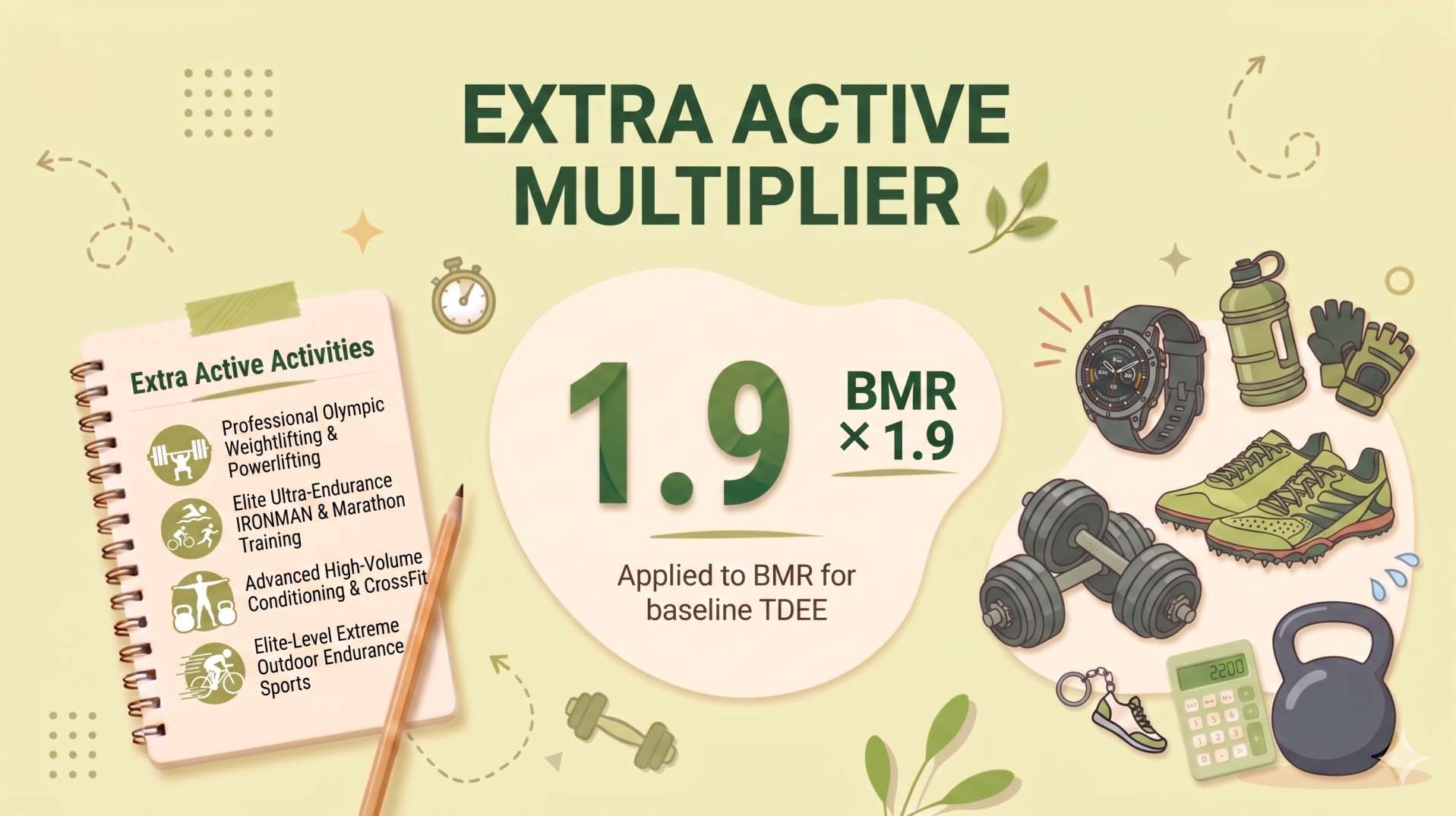
Extra Active Multiplier (1.9) | TDEE for Physical Jobs and Daily Hard Training
The extra active multiplier is 1.9. Learn who qualifies, how it's used in TDEE calculations, and how it differs from the very active level.
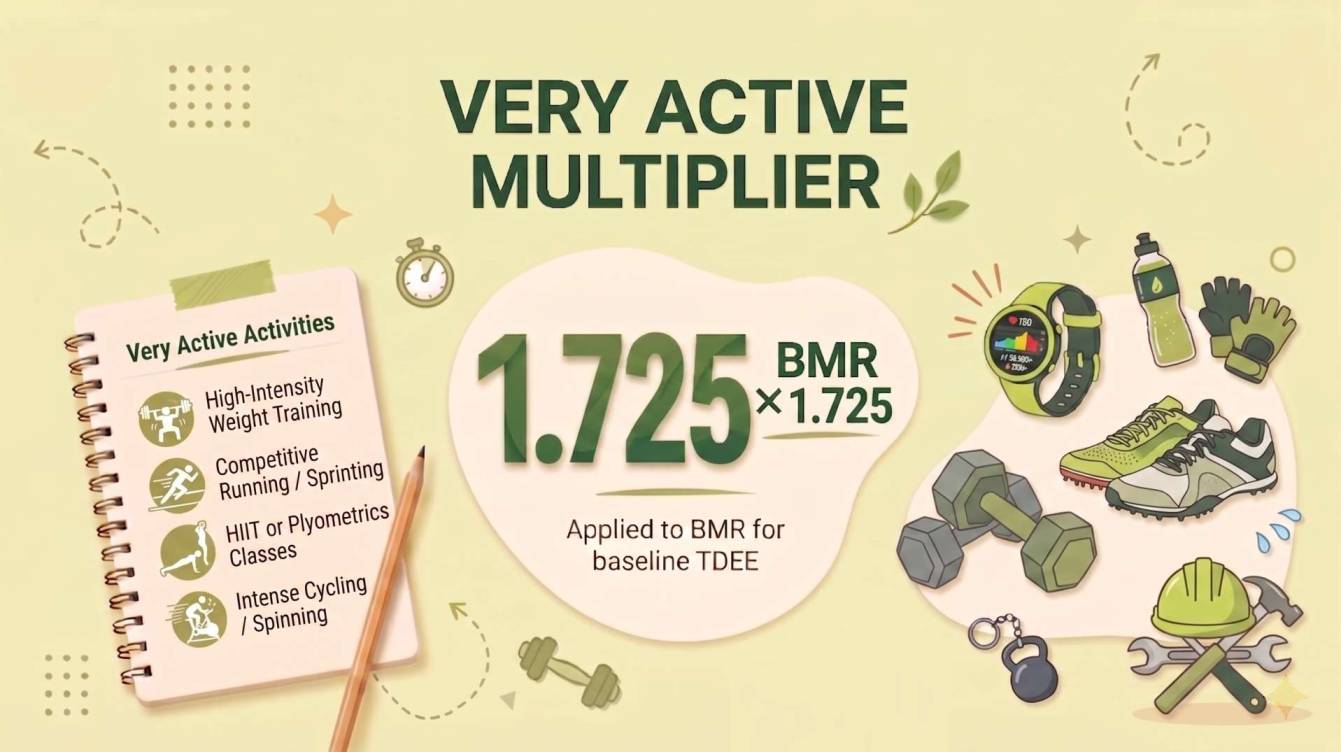
Very Active Multiplier (1.725) | TDEE for Hard Training 6–7 Days a Week
The very active multiplier is 1.725. Learn who qualifies, how it's applied in TDEE calculations, and how it differs from moderately active and extra active levels.
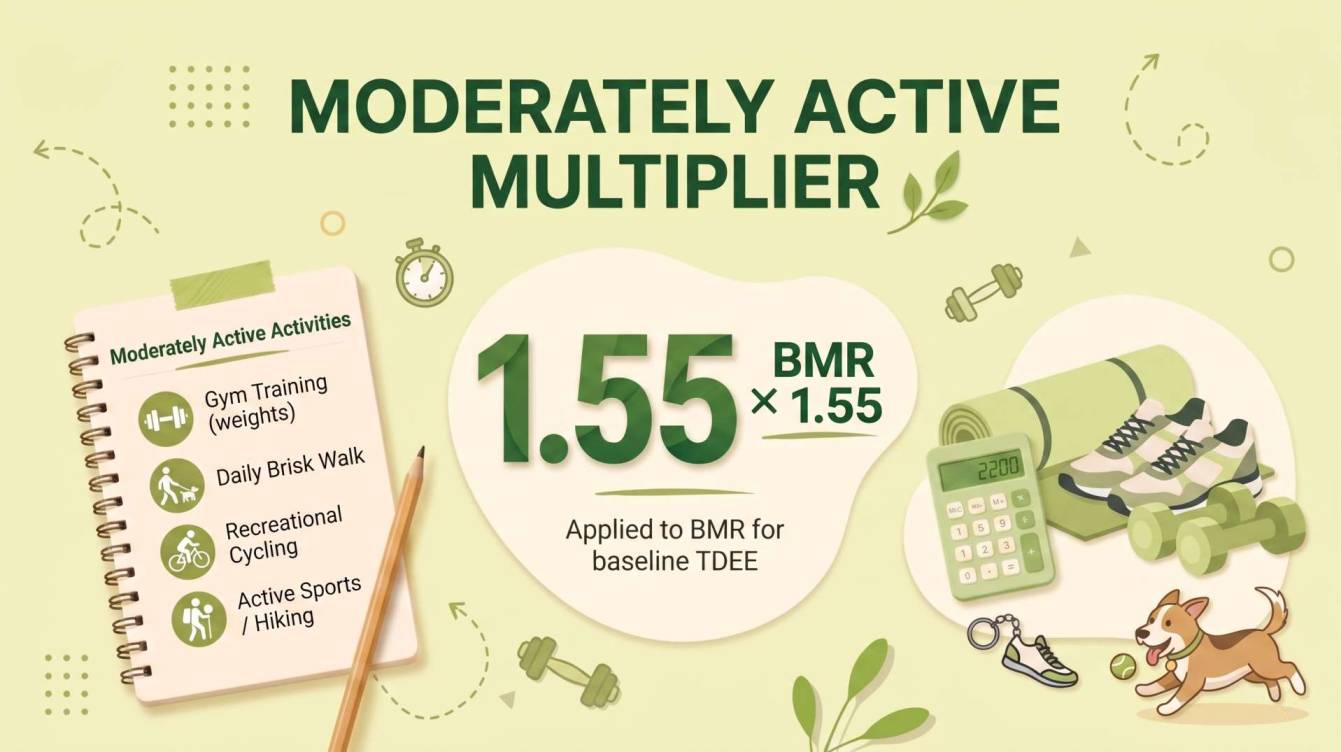
Moderately Active Multiplier (1.55) | TDEE for Regular Exercise 3–5 Days a Week
The moderately active multiplier is 1.55. Find out who qualifies, how it's applied in TDEE calculations, and how it compares to lightly active and very active levels.
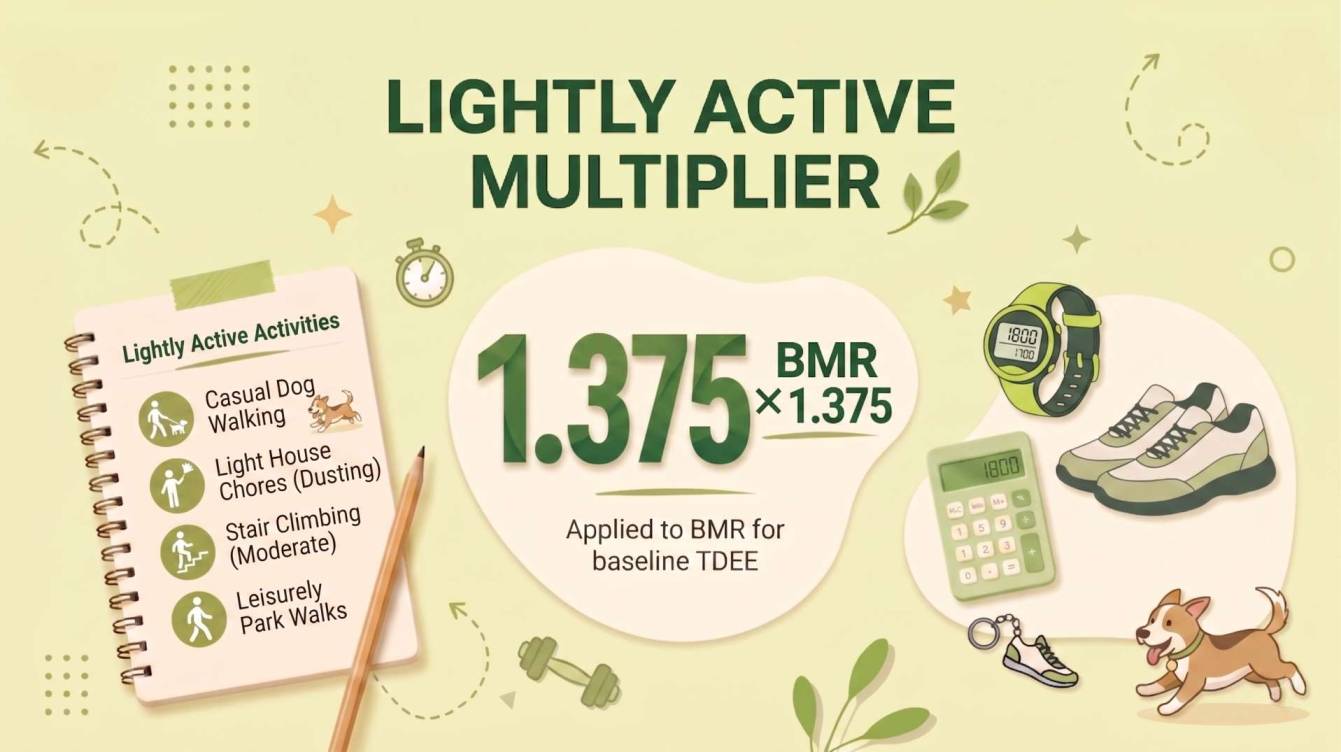
Lightly Active Multiplier (1.375) | TDEE for Light Exercise and Low-Activity Lifestyles
The lightly active multiplier is 1.375. Learn who it applies to, how it differs from sedentary, and how it changes your daily calorie needs in any TDEE formula.
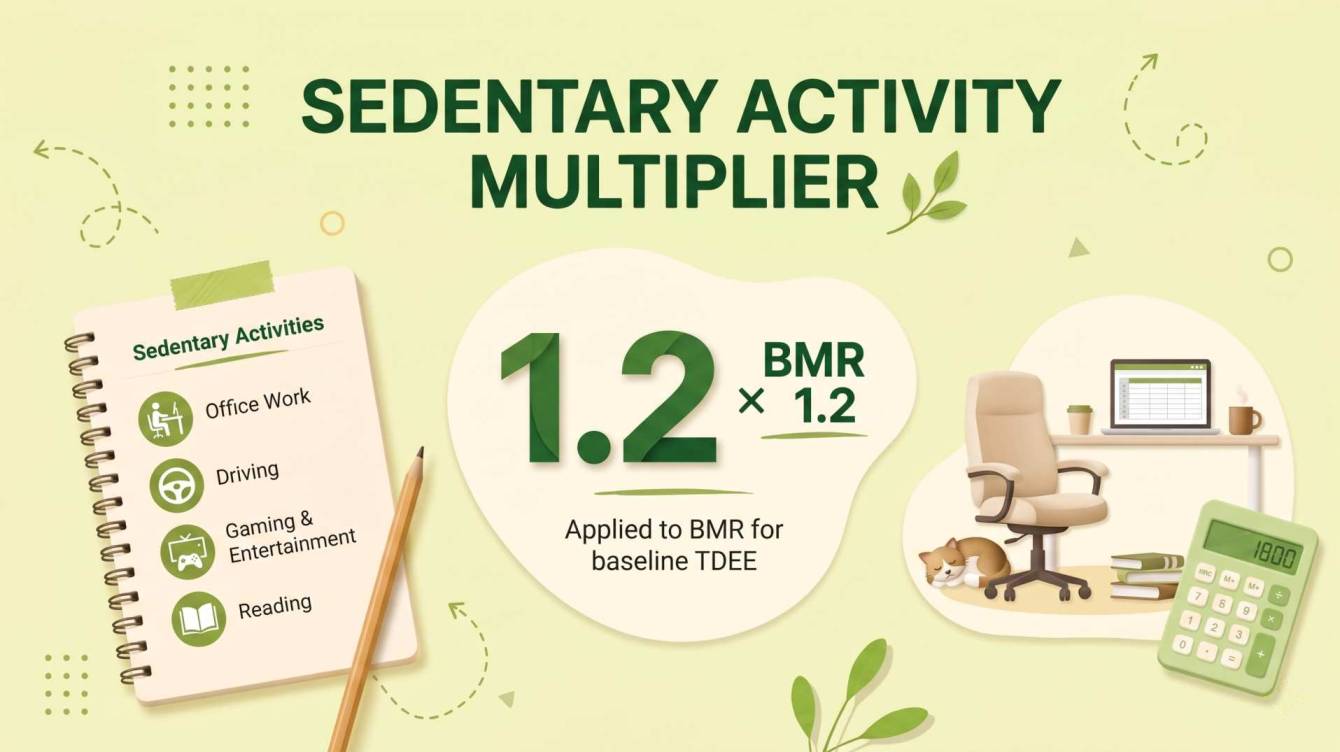
Sedentary Activity Multiplier | What 1.2 Means for Your TDEE?
The sedentary activity multiplier is 1.2. Learn how it works in TDEE formulas, who qualifies as sedentary, and how it changes your daily calorie target.
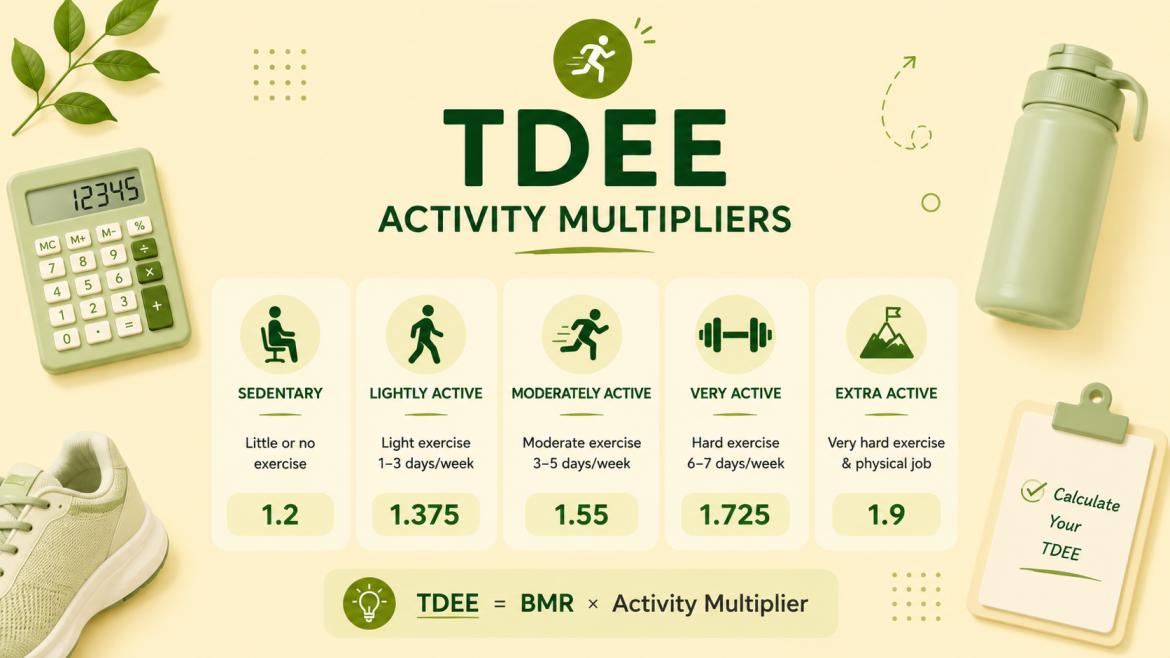
TDEE Activity Multipliers | What Each Level Means and How to Choose Correctly?
TDEE activity multipliers convert BMR into total daily calorie burn. Learn what sedentary, lightly active, moderately active, very active, and extra active actually mean, with step counts, job types, and calorie error tables.
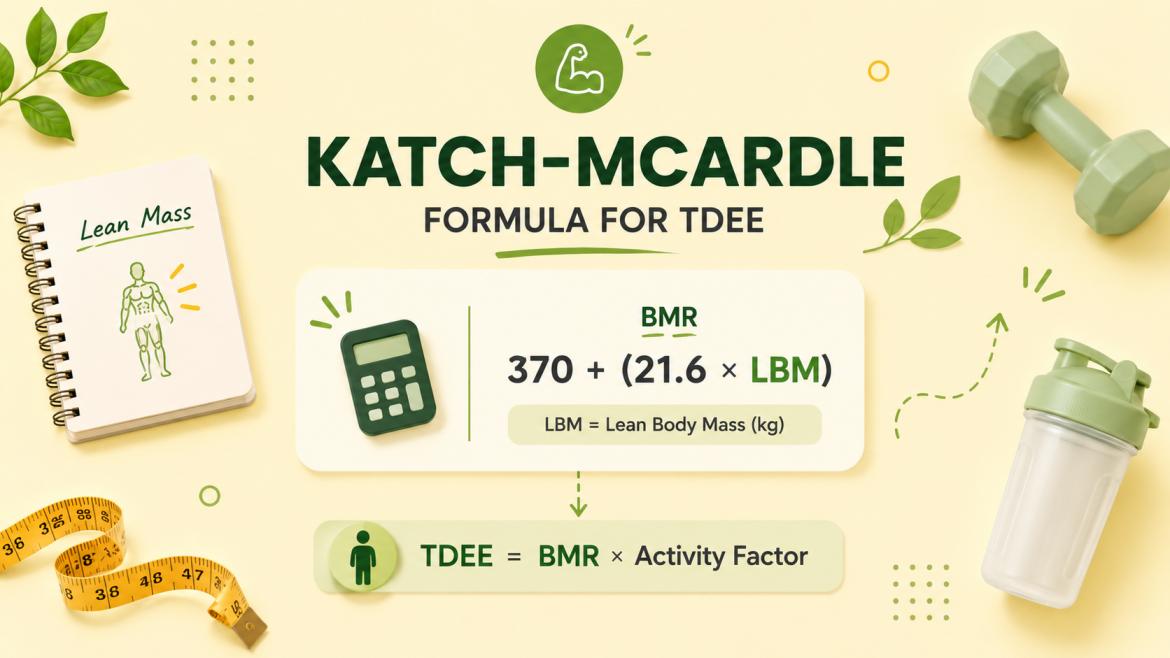
Katch-McArdle Equation | Formula, Lean Body Mass Calculation, and TDEE Application
The Katch-McArdle equation calculates BMR from lean body mass, not total weight. Learn the formula, how to find lean body mass, worked examples by body fat percentage, and when it outperforms Mifflin-St Jeor.
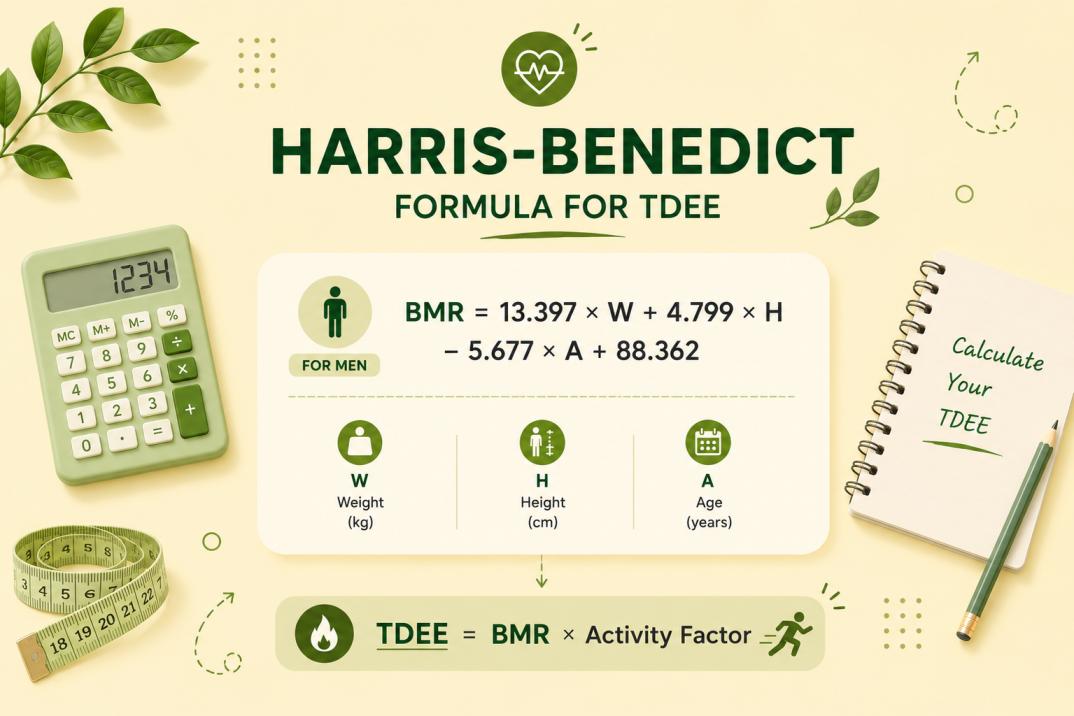
Harris-Benedict Equation | Original Formula, 1984 Revision, and How It Calculates TDEE
The Harris-Benedict equation estimates BMR using weight, height, age, and sex. Learn both the original and revised formulas, worked examples, TDEE outputs at all activity levels, and how it compares to Mifflin-St Jeor.