
The TDEE Blog
Read when the numbers stop making sense.
Most people know their calories. Few understand why they're not moving. These articles close that gap by covering metabolism, nutrition, and training without the noise.
Does HRT Cause Weight Gain During Menopause?
HRT gets blamed for menopause weight gain more often than the evidence supports. A Cochrane review of 28 randomized trials found no significant weight difference between HRT users and non-users. This guide covers what the research actually shows, why the confusion persists, and what actually drives weight change during this transition.
Menopause Belly Fat: How Many Calories to Lose It?
Menopause doesn't just add weight, it relocates it. Visceral fat can nearly triple as a share of total body fat during this transition, separate from ordinary age-related weight gain. This guide covers why that shift happens and how many calories to eat to address it directly.

Protein for PCOS: How Much Do You Need to Lose Weight?
A high-protein diet does more for PCOS than fill a macro target. Research shows it lowers insulin and androgens more than a standard diet at identical calories, and one trial found it doubled fat loss against a calorie-matched control. This guide covers how much protein to eat and why the amount matters as much as the deficit itself.

Inositol for PCOS: Does It Help Weight Loss?
Inositol is one of the most researched supplements for PCOS, with meta-analysis data on insulin, testosterone, and BMI. The evidence is genuinely mixed on weight specifically, and this guide covers exactly what the numbers show, how inositol compares to metformin, and where it fits alongside a calorie plan.

PCOS Weight Loss Plateau: How to Break Through?
A stalled result on a correctly calculated PCOS plan almost always has a specific, findable cause. This guide covers how to tell a real plateau from normal water-weight noise, the PCOS-specific mechanisms that make stalls more common, and exactly when to recalculate your TDEE.

PCOS Belly Fat and TDEE: How Many Calories to Eat?
PCOS frequently shifts where fat gets stored, concentrating it around the midsection more than a standard calorie calculator accounts for. This guide covers what the research actually shows, how many calories to eat, and why standard weight-loss advice often underperforms for this specific population.
Intermittent Fasting for PCOS: Does It Help TDEE?
Intermittent fasting has research behind it for PCOS specifically, not just general weight loss. A 2025 meta-analysis of 632 women found measurable improvements in insulin sensitivity and testosterone. This guide covers which protocol the evidence actually supports and how fasting fits into a PCOS-adjusted TDEE.
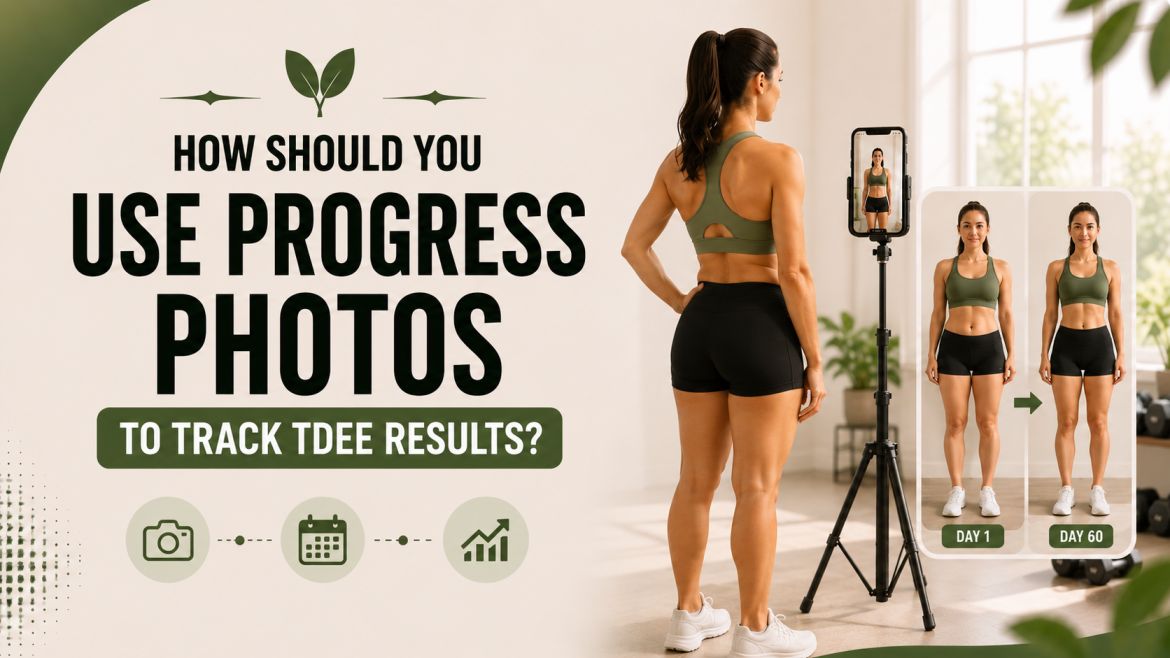
How Should You Use Progress Photos to Track TDEE Results?
A scale cannot tell fat loss from muscle gain, but a consistent photo can. This guide covers the exact protocol that turns progress photos into real data instead of a random snapshot.
How Should You Weigh In Weekly for Accurate TDEE Tracking?
A single number on the scale is mostly noise. This guide covers the exact conditions, the trend maths, and the weekly protocol that turn daily weigh-ins into a signal you can actually trust.
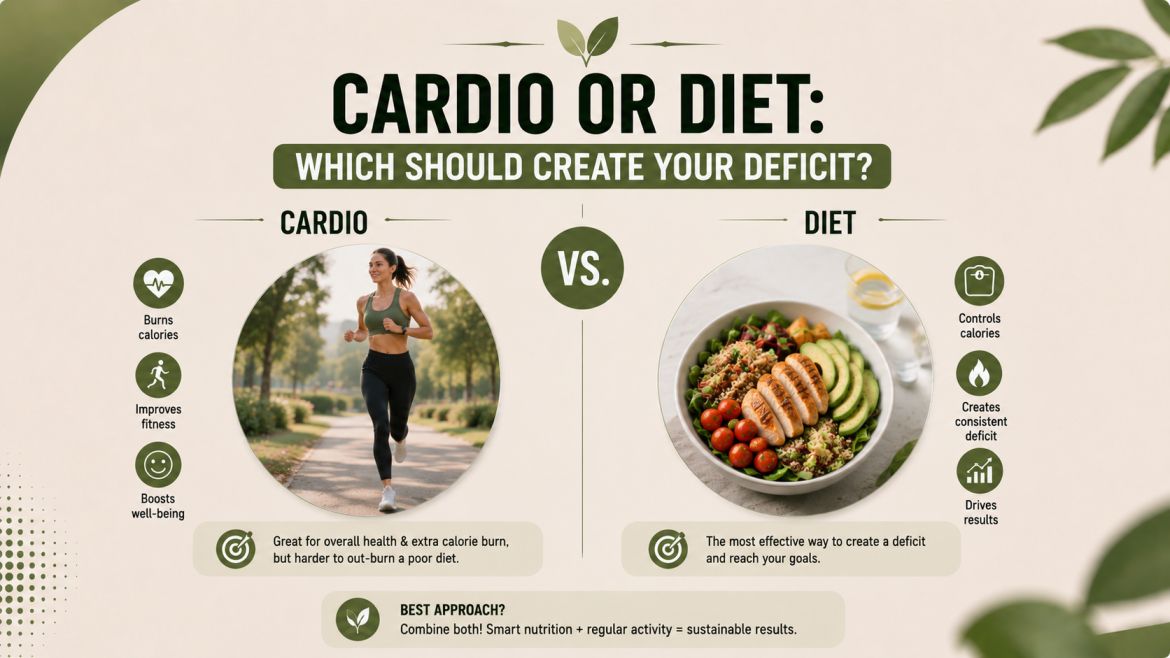
Cardio or Diet: Which Should Create Your Deficit?
Most people treat cardio and diet as rival methods and pick a side. They are actually two separate levers on the same calorie deficit, and one of them does far more of the work than people assume.
How Many Steps Should You Walk to Reach Your Calorie Target?
The 10,000-step target came from a 1960s pedometer marketing campaign, not health research. This guide replaces it with targets matched to your actual goal, your actual starting point, and a progression rate backed by real trial data.
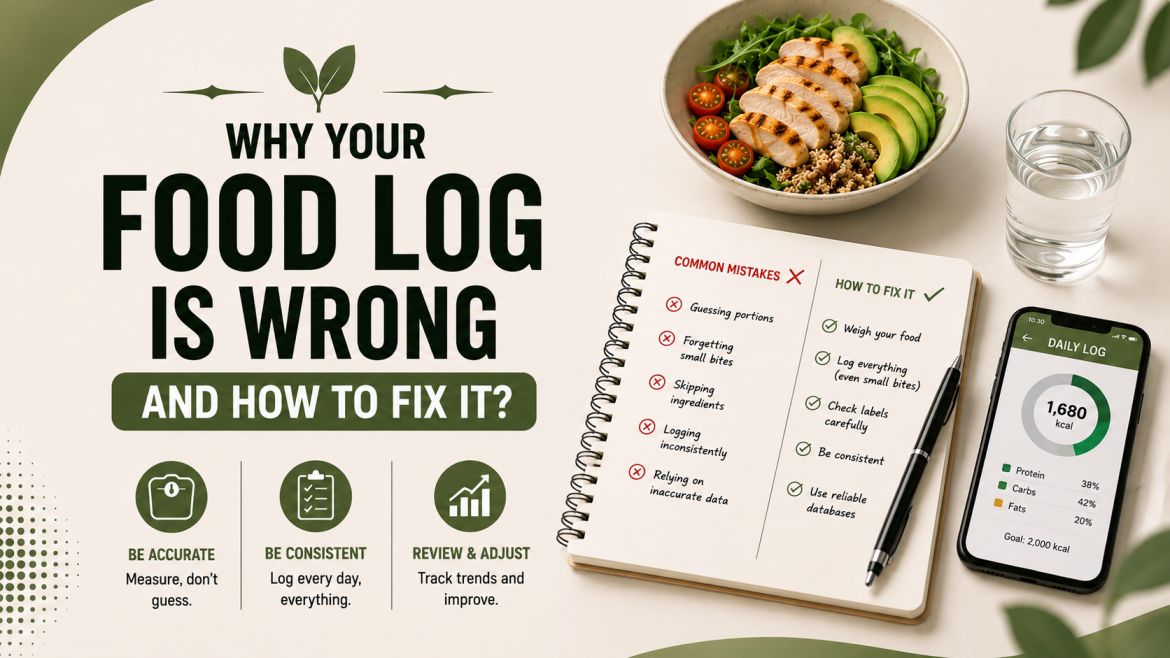
Why Your Food Log Is Wrong And How to Fix It?
A landmark study found diet-resistant subjects underreported their food log by 47% when measured against doubly labelled water. This guide covers why logs go wrong, whether weighing actually beats eyeballing, how accurate nutrition labels really are, and the fixes that close the gap.