
The TDEE Blog
Read when the numbers stop making sense.
Most people know their calories. Few understand why they're not moving. These articles close that gap by covering metabolism, nutrition, and training without the noise.
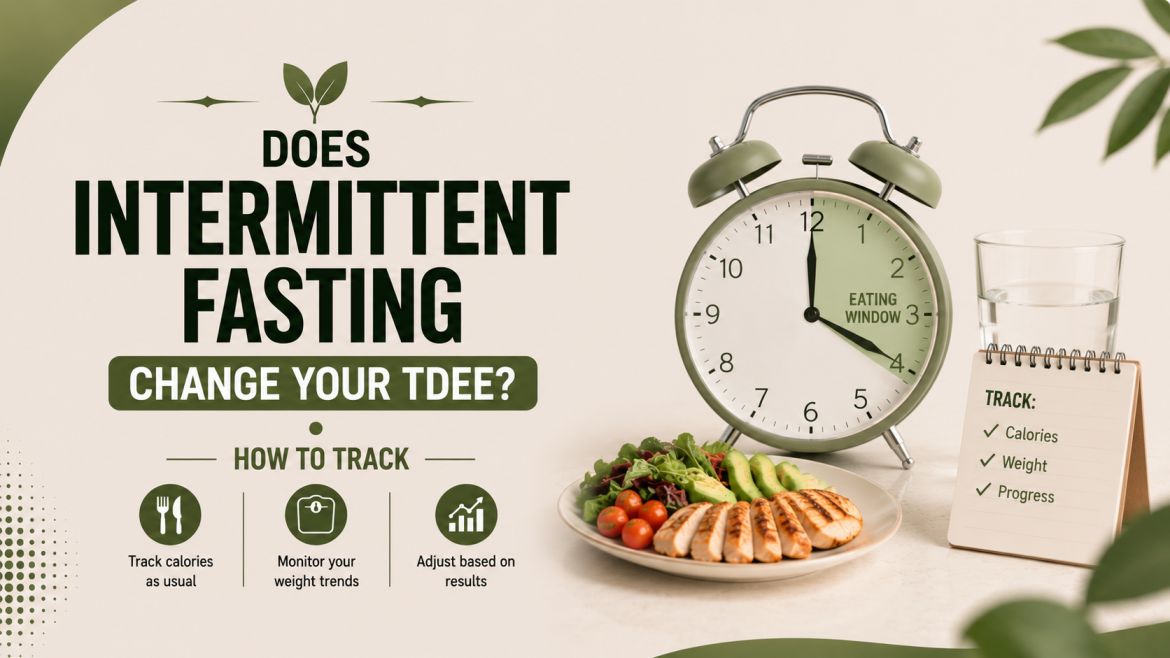
Does Intermittent Fasting Change Your TDEE? How to Track
Intermittent fasting does not raise or lower your TDEE on its own. It restricts the window in which you eat, not the calories your body burns. This guide covers the landmark trial data, how the major protocols compare, and what the muscle preservation research actually shows.
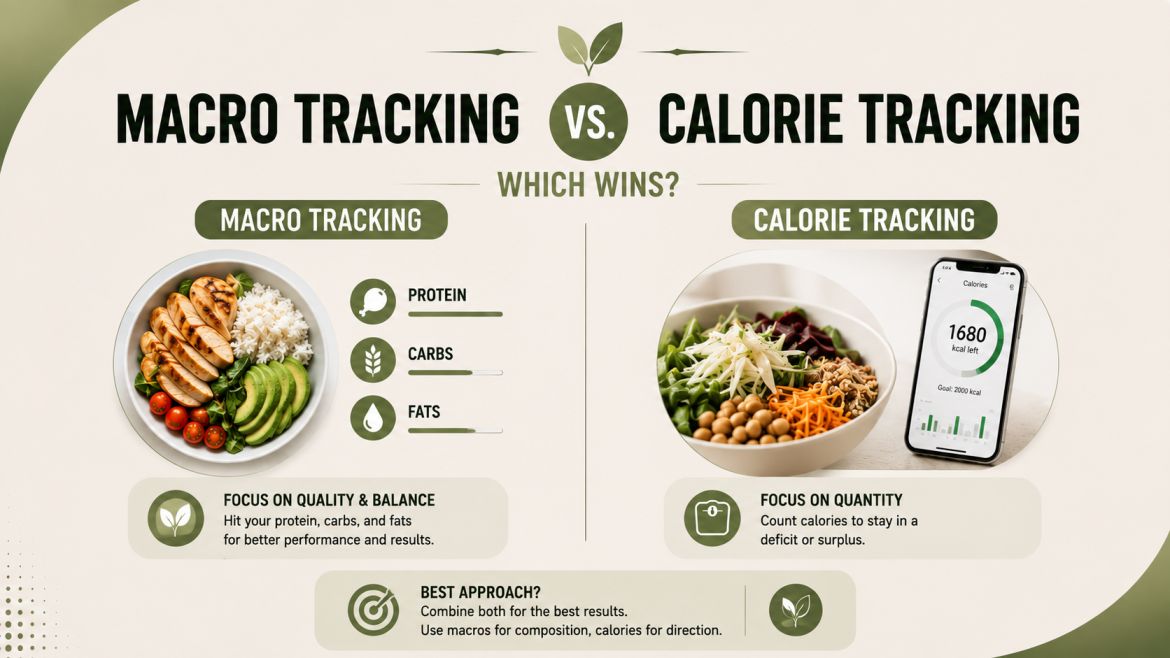
Macro Tracking vs. Calorie Tracking: Which Wins?
Total calories determine whether you gain, lose, or maintain weight. Macros determine what that weight is made of. This guide covers exactly when macro tracking is worth the extra effort, when calories alone are enough, and what the adherence research actually shows.

How Do You Track Calories and Weight Against Your TDEE?
Your TDEE calculator gives you an estimate. Tracking is how you find out if that estimate is actually right for your body. This guide covers food logging, weigh-ins, steps, macros, fasting, and photos, the seven methods that turn a single number into a working system, and how to build a weekly routine around them.
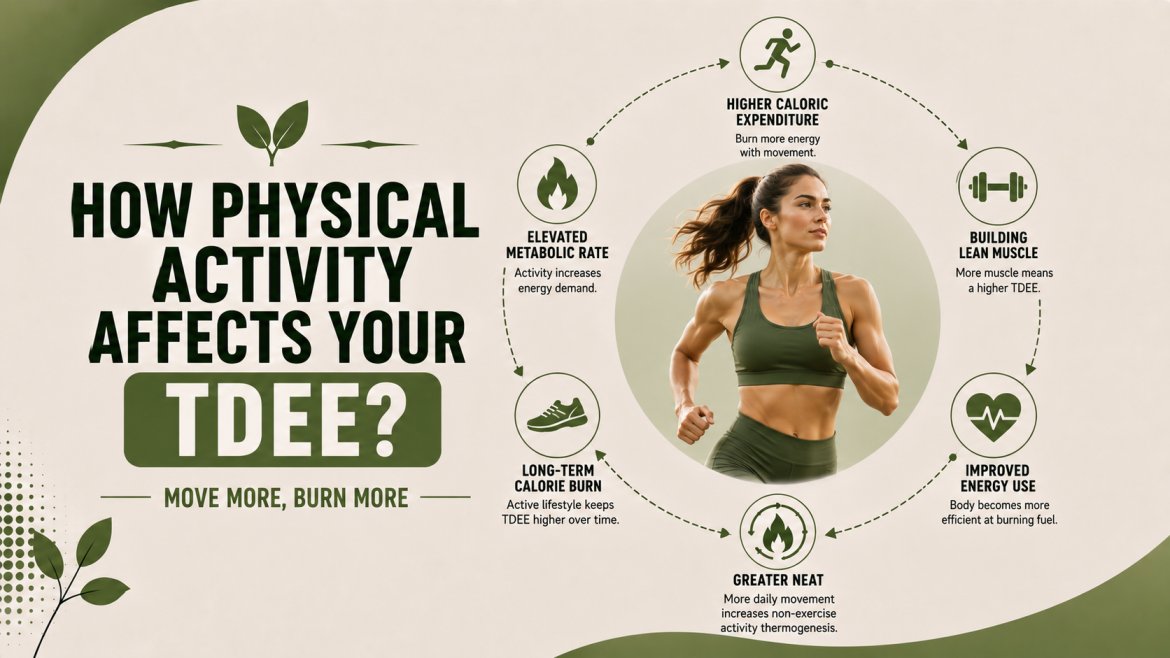
How Physical Activity Affects Your TDEE?
Physical activity contributes 15 to 40% of TDEE through two separate components. Research shows the body compensates for close to half of any exercise increase, and the effect grows larger when combined with dieting. This guide covers the EAT-NEAT split and what the data actually supports.
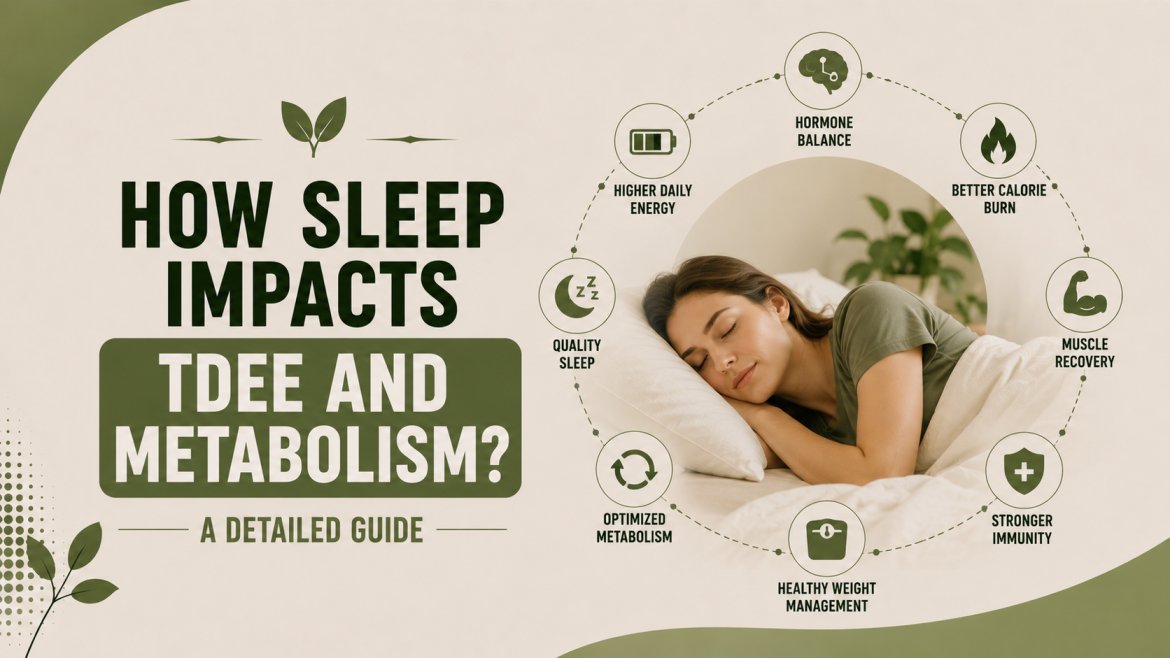
How Sleep Impacts TDEE and Metabolism?
Poor sleep changes your calorie numbers within two nights, mostly by raising hunger rather than lowering your burn rate. This guide covers the Spiegel 2004 hormone data, the NEAT connection, and the real calorie math behind a bad night's sleep.
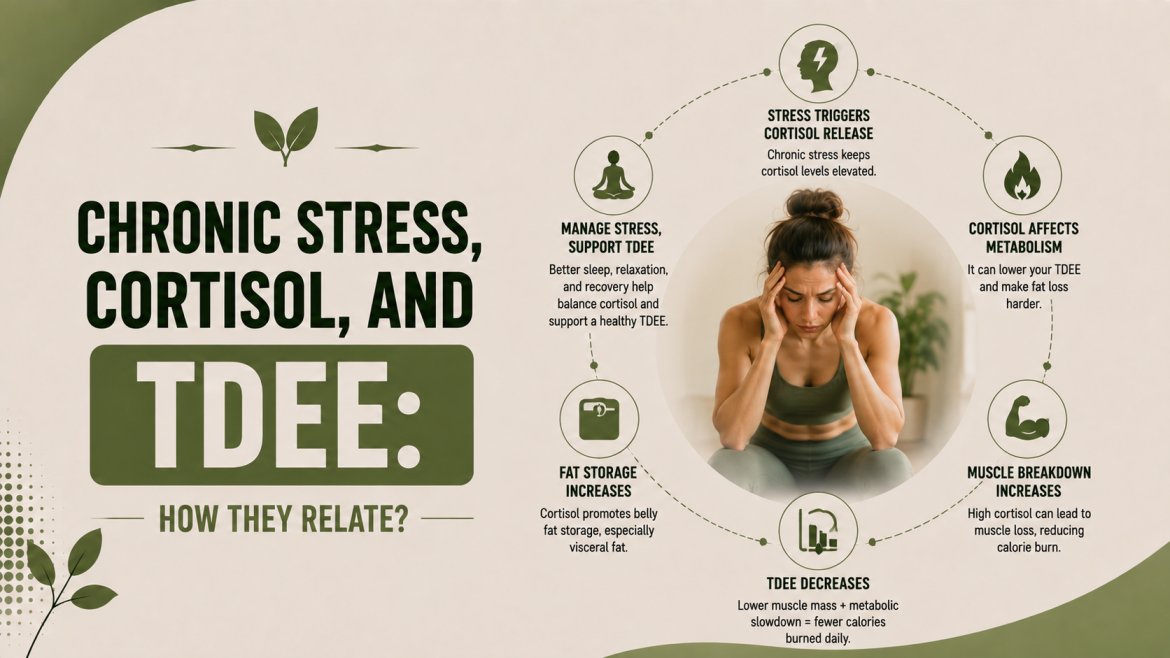
Chronic Stress, Cortisol, and Your TDEE
Chronic stress raises cortisol, and sustained elevation changes both fat storage patterns and daily movement. Research from Yale found cortisol-reactive women accumulated significantly more abdominal fat independent of weight. This guide covers the mechanism and the interventions with real evidence behind them.
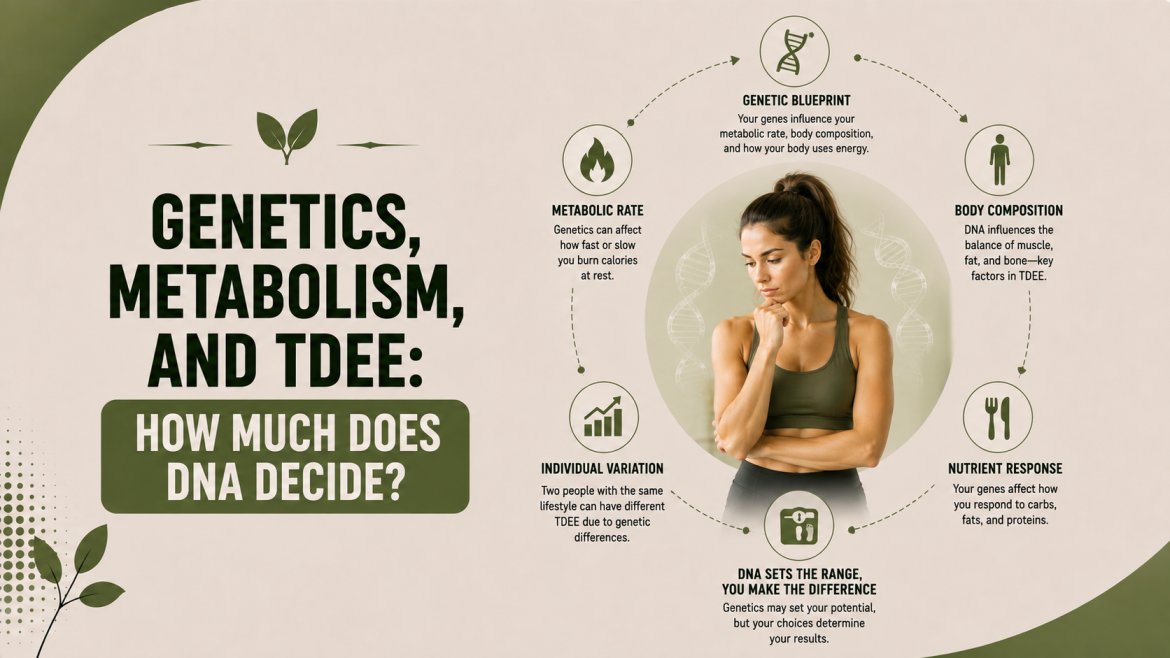
Genetics and Metabolism: How Much Does DNA Decide?
Genetics sets a real range around your TDEE through inherited variation in BMR, fat storage genes, and NEAT, with twin studies placing BMR heritability between 40% and 80%. This guide breaks down the specific gene variants involved and how to calibrate an accurate calorie target despite that genetic variation.
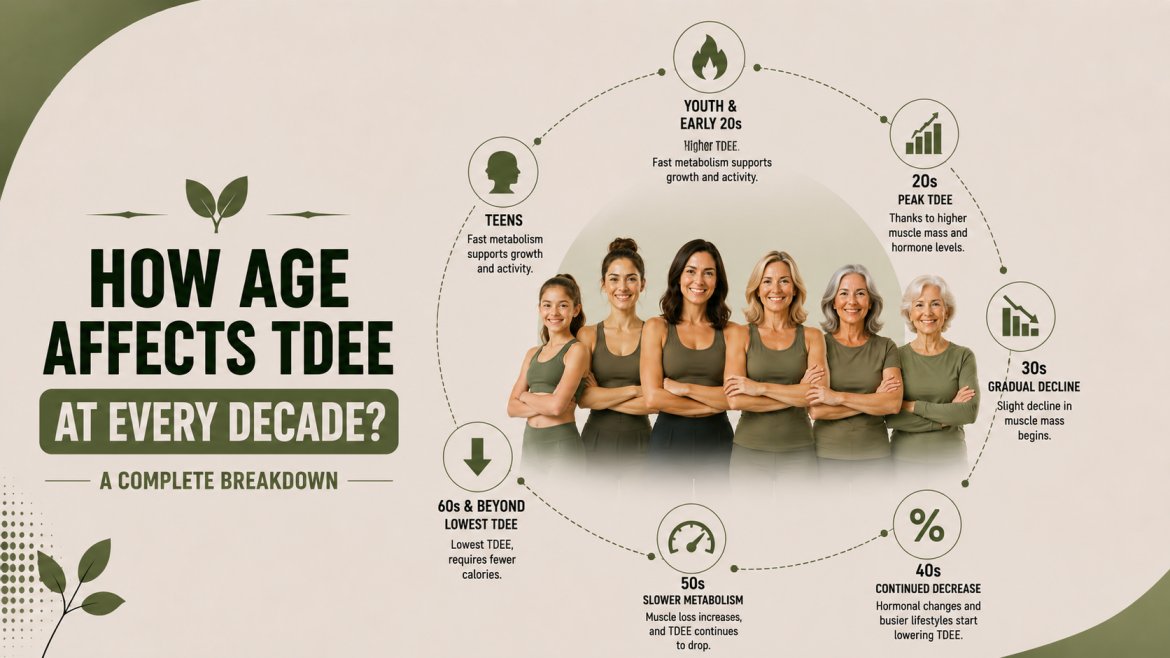
How Age Affects TDEE at Every Decade?
TDEE does not decline steadily from your twenties onward. A 2021 study in Science measuring 6,421 people found fat-free mass adjusted energy expenditure stays flat from 20 to 60. This guide covers the real decade-by-decade numbers and what actually drives the later decline.
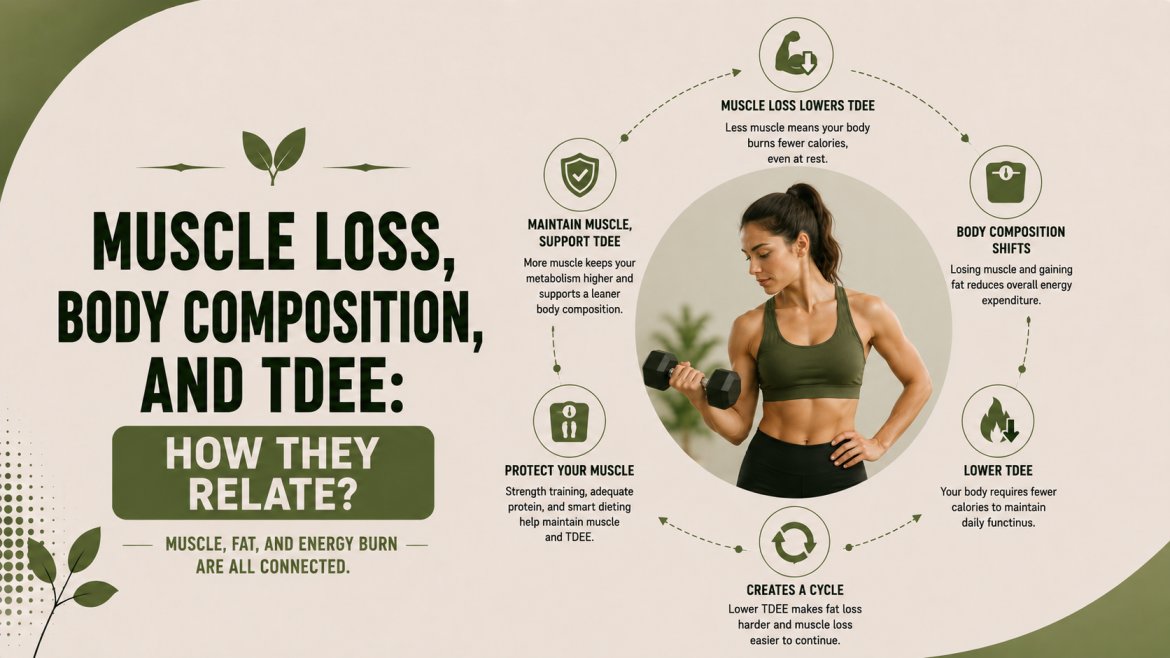
Muscle Loss, Body Composition, and Your TDEE
Muscle tissue burns roughly three times more energy per kilogram than fat at rest. Losing it during a diet lowers TDEE permanently unless the tissue is rebuilt. This guide covers sarcopenia, diet-driven muscle loss, and the protocol that reverses both.
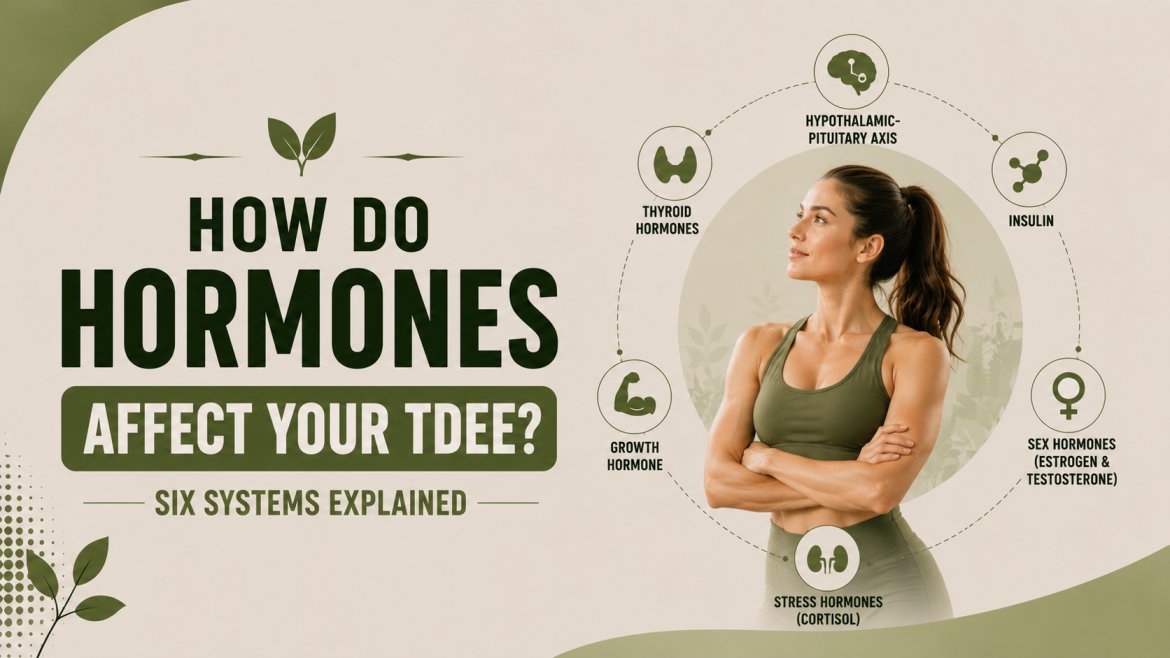
How Hormones Affect Your TDEE: 6 Systems Explained
Hormones set both your resting burn rate and how hungry you feel at any given intake. Thyroid hormone alone can shift BMR by up to 30%. This guide covers all six systems, what each one controls, and where the effect is largest.
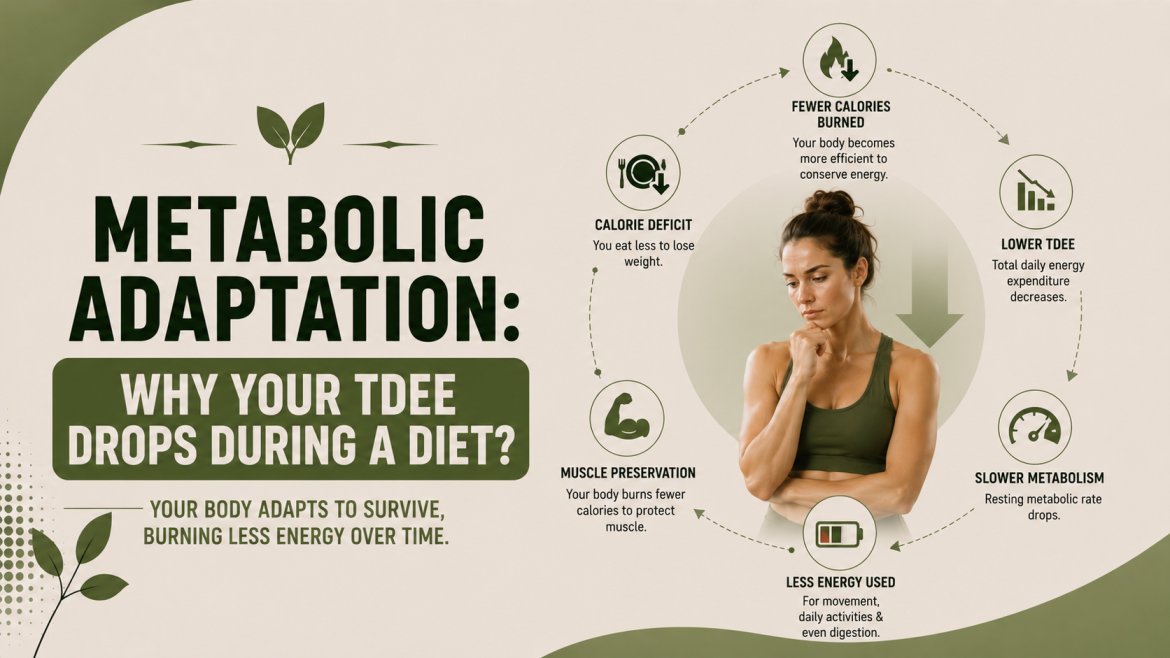
Metabolic Adaptation: Why Your TDEE Drops During a Diet?
Metabolic adaptation is the drop in energy expenditure that exceeds what body composition change predicts. Biggest Loser contestants measured 499 calories per day below prediction six years after their diet ended. This guide covers the mechanisms, the magnitude, the recovery timeline, and how to test for it yourself.
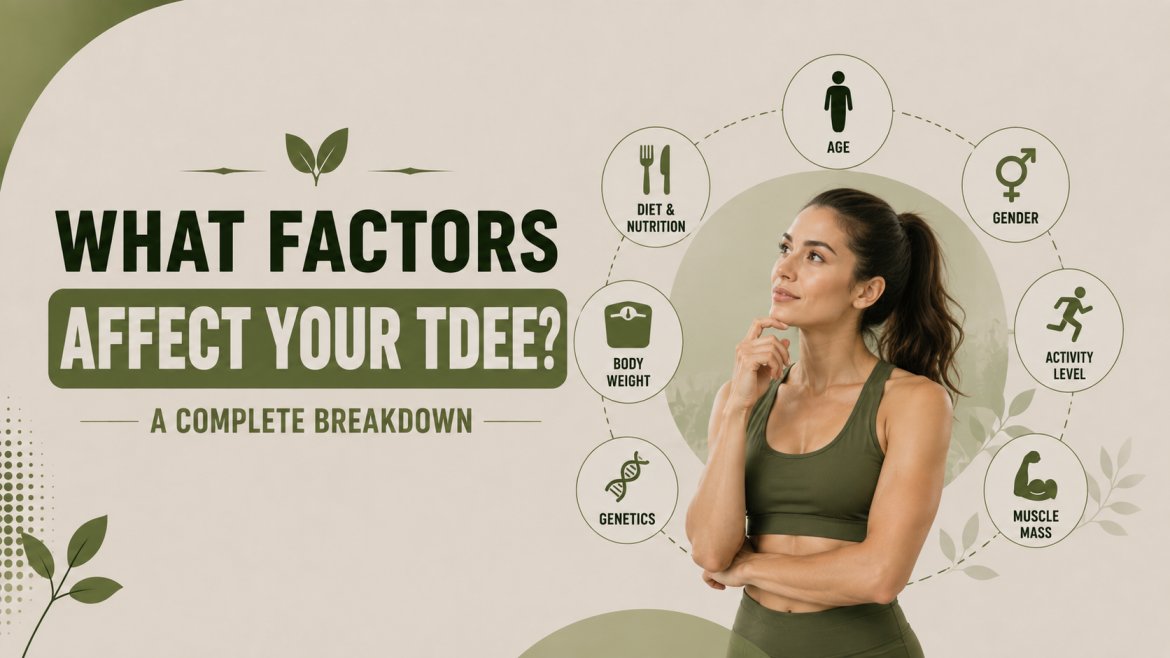
What Factors Affect Your TDEE? A Complete Breakdown
TDEE moves with metabolic adaptation, hormones, sex, body composition, sleep, age, stress, physical activity, muscle mass, and genetics. This guide breaks down every factor, the research behind each one, and what to do when your calculator number stops matching your results.