
The TDEE Blog
Read when the numbers stop making sense.
Most people know their calories. Few understand why they're not moving. These articles close that gap by covering metabolism, nutrition, and training without the noise.

How to Lose Weight While Breastfeeding Safely?
Losing weight while breastfeeding is possible without risking milk supply, but the safe approach is more specific than most generic weight-loss advice accounts for. This guide covers the calorie floor multiple lactation authorities agree on, when to start, and what actually protects both milk supply and steady progress.
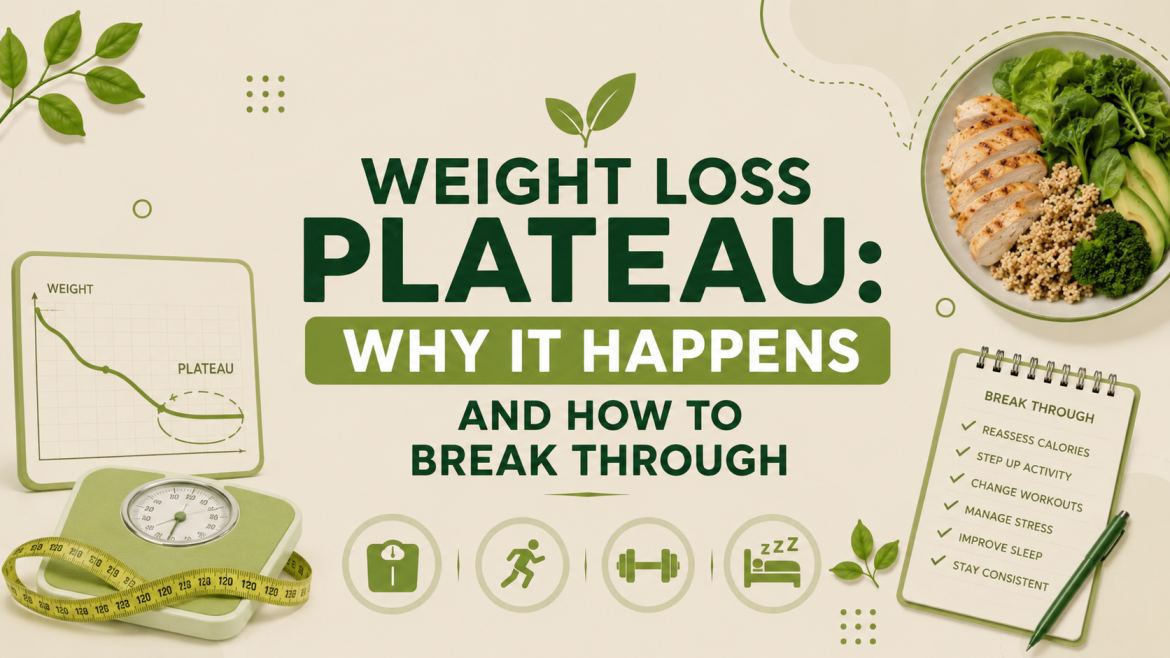
Weight Loss Plateau: Why It Happens and How to Break Through
A weight loss plateau occurs when metabolic adaptation closes your calorie deficit. Learn why the scale stops moving, how NEAT drops, and evidence-based strategies to break through a plateau.
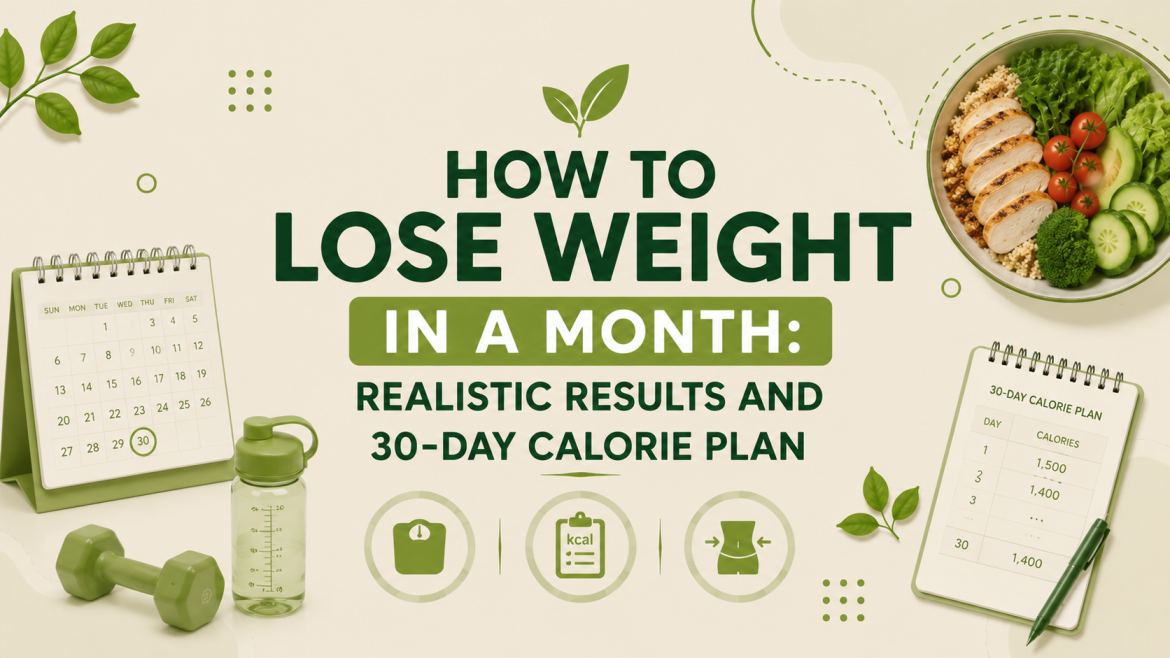
How to Lose Weight in a Month: Realistic Results and 30-Day Calorie Plan
Learn how to lose weight in a month through a calorie deficit and TDEE-based planning. Discover realistic monthly weight loss expectations, a 30-day structure, and why month one differs from month two.
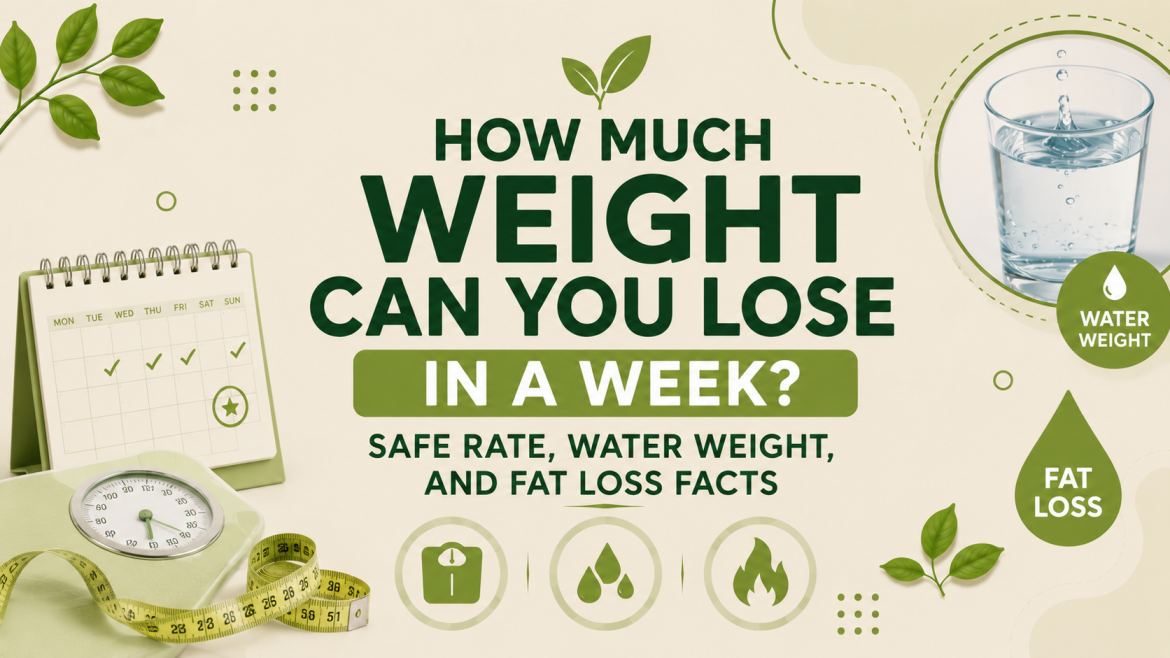
How Much Weight Can You Lose in a Week? Safe Rate, Water Weight, and Fat Loss Facts
Find out how much weight you can lose in a week safely, why week-one results differ from real fat loss, and the maximum safe rate per week according to clinical guidelines.
Sleep and Weight Loss: How Many Hours You Need and Why Poor Sleep Stops Fat Loss?
Sleep and weight loss are directly linked through ghrelin, leptin, cortisol, and metabolism. Learn how many hours of sleep you need for weight loss and why poor sleep undermines a calorie deficit.
Postpartum Weight Loss: Timeline and Safe Calorie Deficit While Breastfeeding
Postpartum weight loss requires a different TDEE calculation for breastfeeding mothers. Learn the safe calorie deficit, timeline for losing baby weight, and how to lose pregnancy weight without affecting milk supply.
How to Lose Face Fat: Spot Reduction Myths and What Actually Works?
Learn how to lose face fat by reducing overall body fat percentage, managing water retention, and understanding why spot reduction in the face is a myth. Includes timeline and diet strategies.
How to Lose Belly Fat: Visceral Fat and What Actually Works?
Learn how to lose belly fat through a calorie deficit, reducing visceral fat, managing cortisol, and improving sleep. Includes TDEE-based calorie targets and a realistic timeline.
Intermittent Fasting Weight Loss: How It Works With Your TDEE?
Intermittent fasting supports weight loss by creating a calorie deficit through structured eating windows rather than continuous calorie counting. Learn how popular fasting methods work, how to match them with your TDEE, and the best strategies to lose fat while preserving muscle and maintaining long-term results.
How to Lose Weight Without Exercise: A Diet-Only Guide
Learn how to lose weight without exercise using TDEE, calorie deficits, meal strategies, and lifestyle changes. Includes what works and realistic expectations.
How Much Protein for Weight Loss? A Complete Guide
Learn exactly how much protein to eat per day to lose fat without losing muscle. Includes gram targets by body weight, best sources, meal timing, and the science behind protein and fat loss.
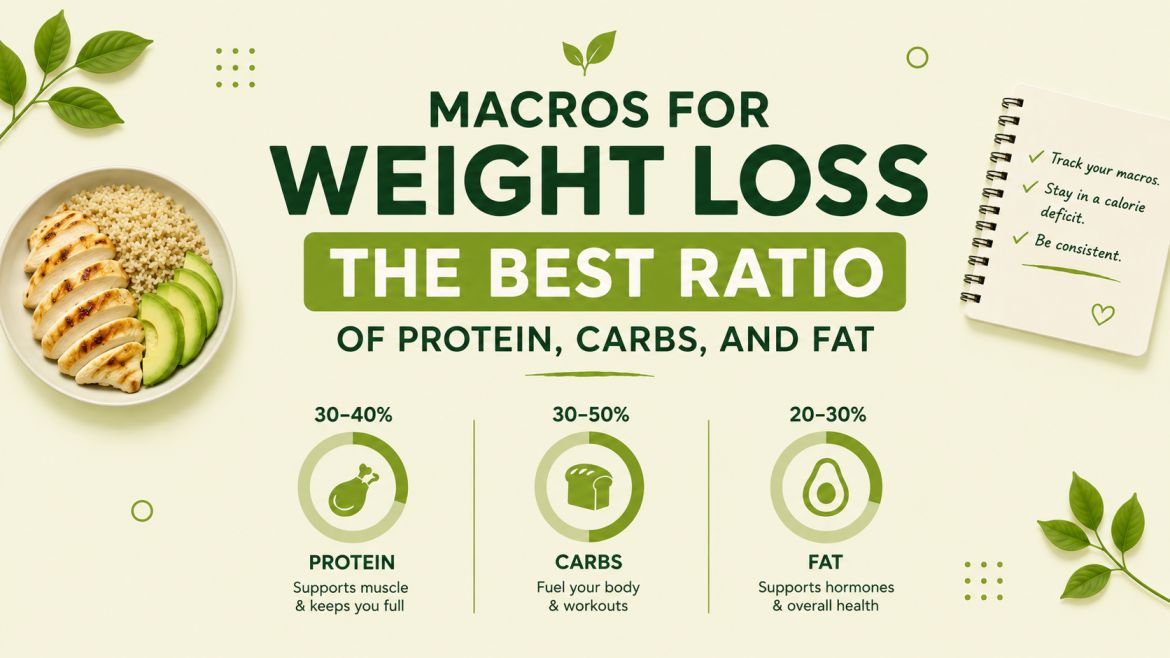
Macros for Weight Loss: The Best Ratio of Protein, Carbs, and Fat
Learn the best macro ratios for fat loss, how to calculate protein, carbs, and fat grams from your TDEE, and why hitting your protein target matters more than any other number.